Welcome to Pollinator Pathway NW Seattle
We are following in the footsteps of those who were here before us. The Duwamish peoples long cared for this unceded, ancestral ground and the plants and animals that called it home. For thousands of years they lived in longhouses located nearby and used the area for fishing. Now, as we live and work on this site, we strive to honor their legacy and others who’ve come since.
Sarah Bergmann's Vision
The original pollinator pathway was conceived by Sarah Bergmann in 2007, and is located on Columbia Street near Seattle University. Her vision called for plantings in front yards and along strips of land between the sidewalk and the street, creating a pathway of continuous gardens.
The pollinator pathway idea has now become a global movement. The current approach is to plant continuous corridors of native pesticide-free plantings that are friendly to pollinators.
Connecting our deck and balcony pots, parking strips, yards, parks, trails and any other plot of soil, no matter how small, creates a continuous pathway for urban pollinators. We hope you will join us on an active project listed below. Contact us. We look forward to hearing from you!
You can also create your own pollinator garden as Sarah Bergmann did. Then take the Pollinator Pathway Pledge and register your garden on the Pollinator Pathway.
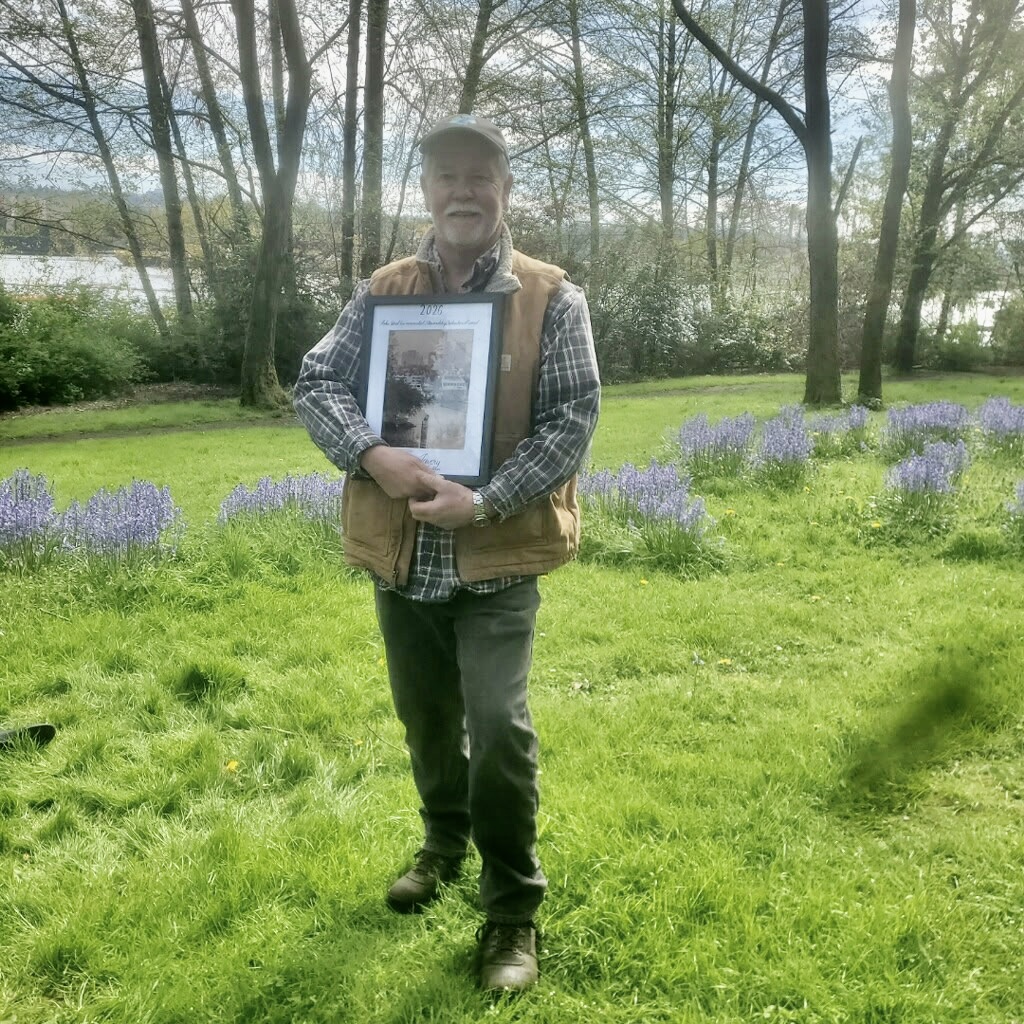
Tulatuwx Restoration Site
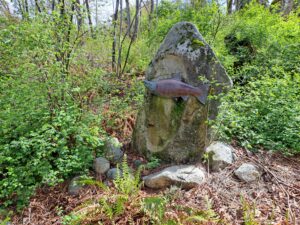
The name t̓uʔəlaltxʷ (pronounced Too-lah-too wx) means Herring House in the Lushootseed language. The original Duwamish site of Long Houses was near where the original shore and river met, but was destroyed by vigilante action in the late 1800’s. The current site is on infilled land where mudflat and riparian grasses once thrived. The site, previously known as Terminal 105, is now a park and habitat restoration site that was established by the Port of Seattle in the early 1990’s. Its prior industrial use as a marine service and painting facility had left it heavily polluted with chemicals and industrial debris.
Restoration on the site began in 1995 with a partnership between the Port of Seattle, People for Puget Sound and Earth Corps. After clearing and excavating the site, volunteers began converting the property to a self-sustaining reforested habitat. That work continues to this day with efforts to resurrect the salmon population.
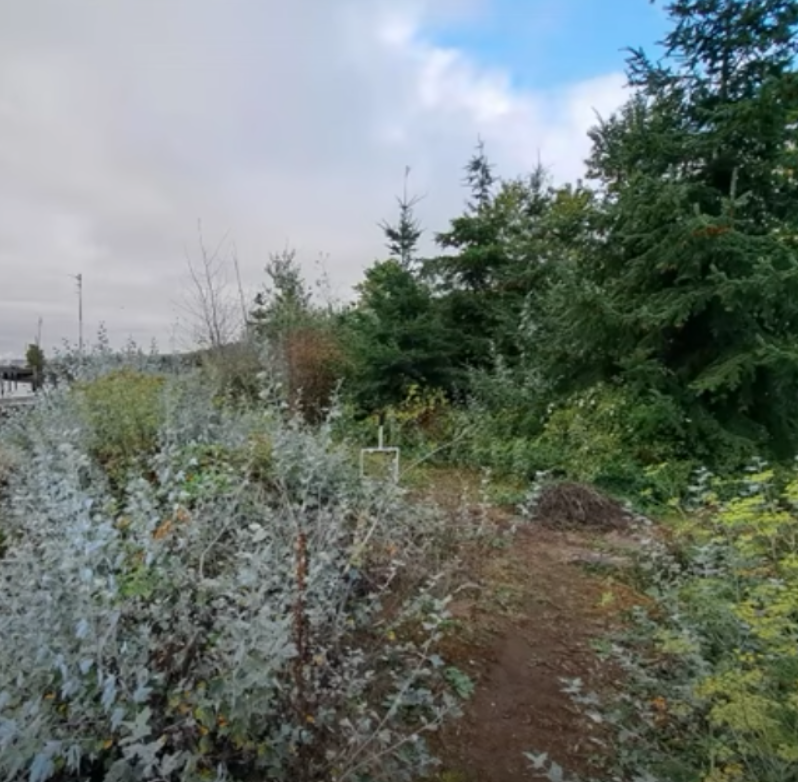
The site is currently maintained by The Port of Seattle and Friends of Tulatuwx (part of PPNW Seattle). It has blossomed into a restored habitat and riparian zone providing support for native plants, shelter for migrating salmon, pollinator friendly plantings and habitat for birds and small mammals. Three pollinator sites within Tulatuwx have been built within the last six years. You are welcome to join and learn more about supporting this beautiful park.
Howe Street Pollinator Gardens
by Vince Savery
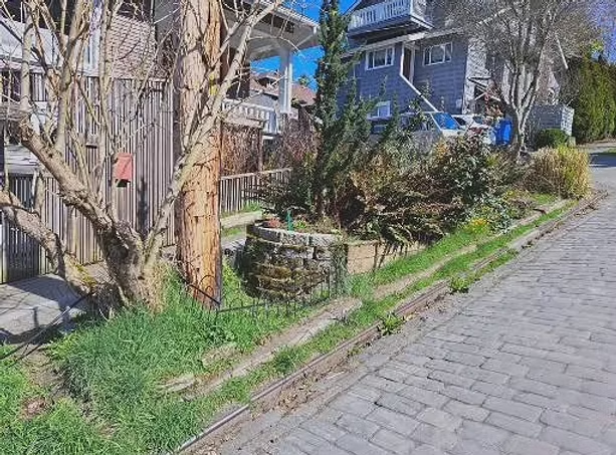
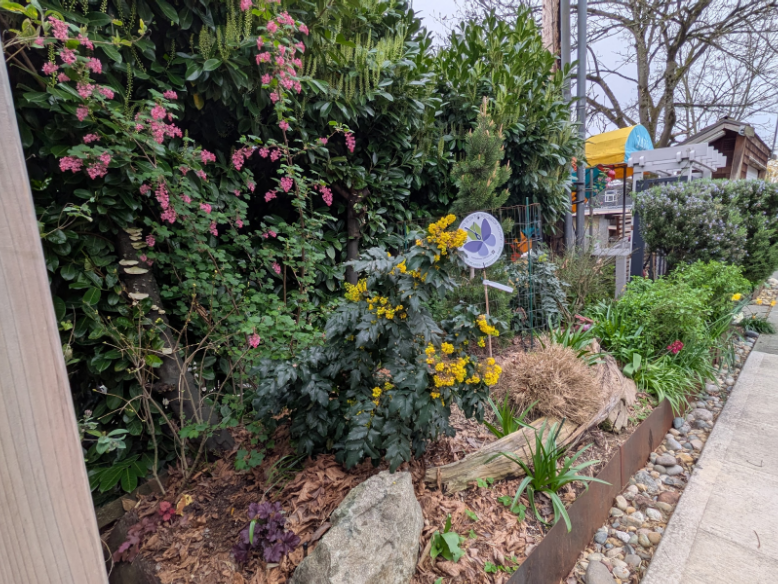
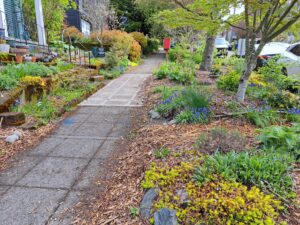
My Pollinator Garden was started to attract pollinators into the neighborhood. It was converted in 2018 from a vegetable and flower garden which had replaced a grass parking strip in 1985. I added a terrace to the parking strip as it is on a steep hill. This raised the plantings up for ease of maintenance. I planted the garden with the idea of having continuous blooms from April through September with some blooms or berries left over into the winter months. I planted Tall Oregon Grape, Snowberry, Red Flowering Currant, Salal, Nine Bark, Sword Fern and Lavender.
Dogwood and Spruce were planted for shade and as a place for birds. Lilac was there from the original grass area, and Pampas Grass is both protection from traffic during icy conditions and a source of nesting material and food for birds.
The garden is a low maintenance and low water use installation. I used wood chips as mulch and a micro sprinkler when necessary.
Dogwood and Spruce were planted for shade and as a place for birds. Lilac was there from the original grass area, and Pampas Grass is both protection from traffic during icy conditions and a source of nesting material and food for birds.
The garden is a low maintenance and low water use installation. I used wood chips as mulch and a micro sprinkler when necessary.
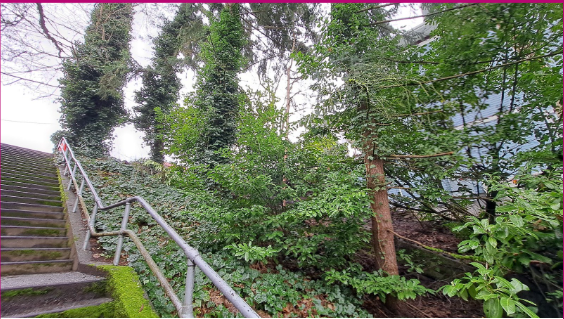
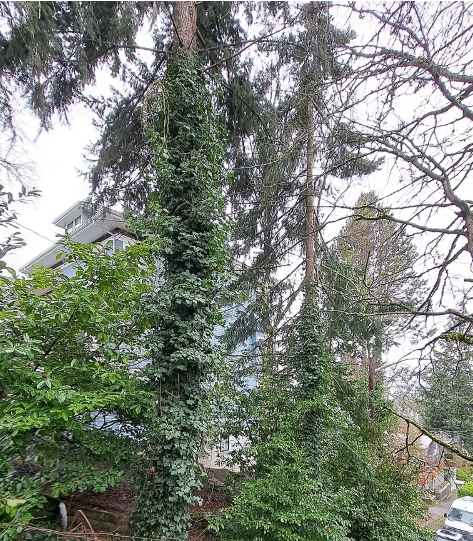
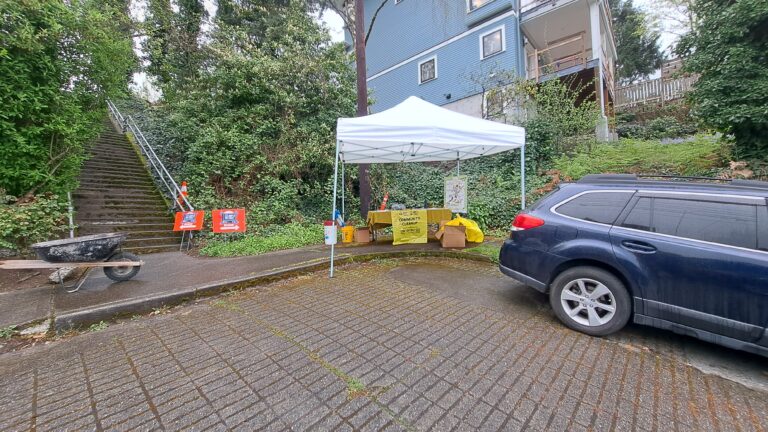
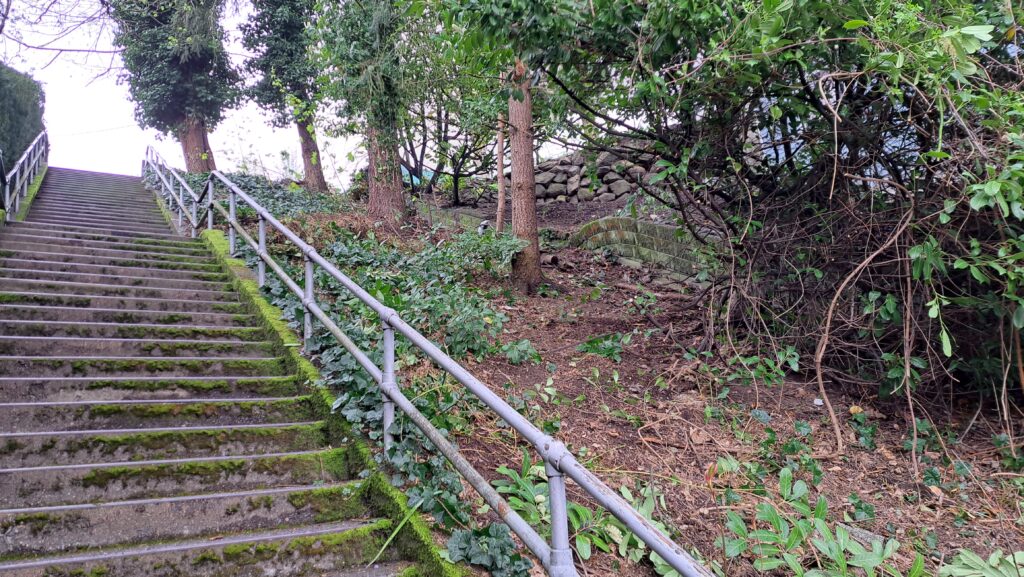
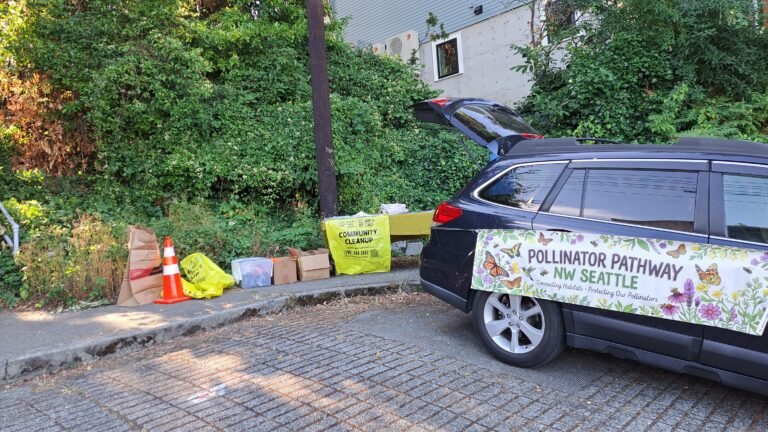
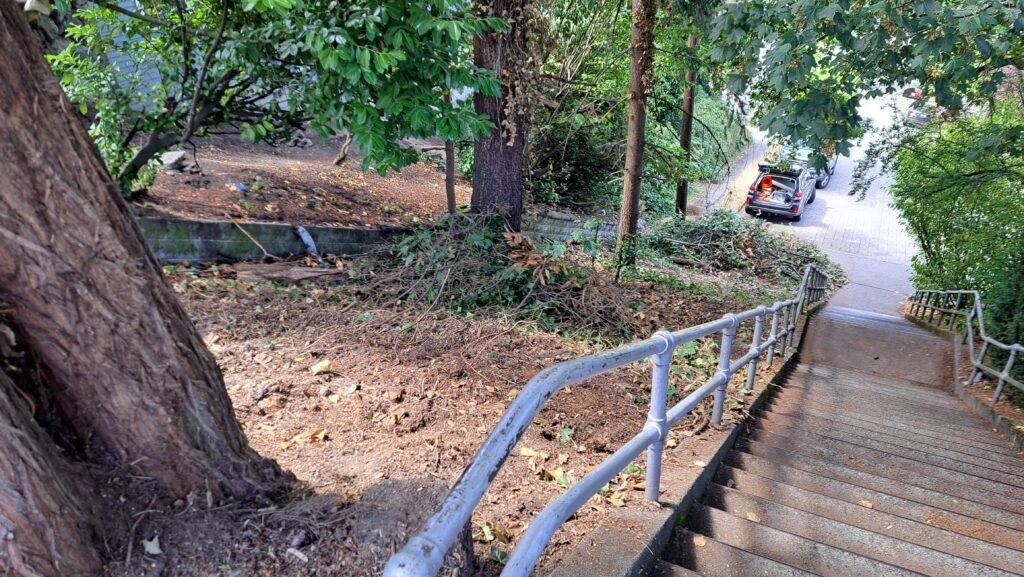
West Howe Street Hill Climb on Queen Anne Hill
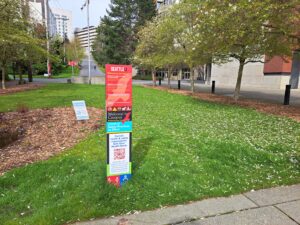
This is an Adopt-a-Street project with Seattle Utilities and the DOT. It is an effort to use community support and volunteers to preserve existing fir trees from ivy invasion. The result will be a restored area that can support pollinators and urban wildlife, and contribute to the Pathway effort in the neighborhood. Stay tuned for an After photo!
Lake Union Pathway
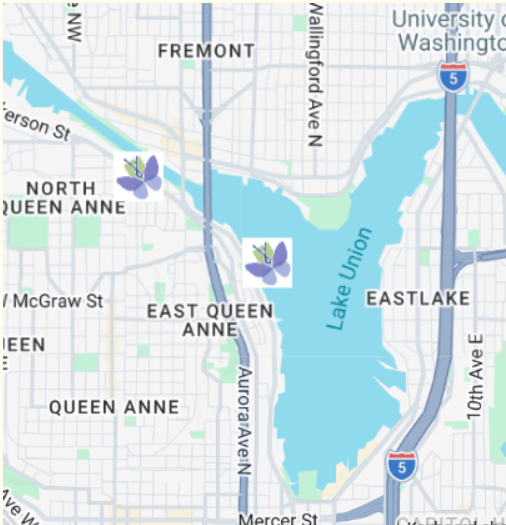
The pathway around Lake Union is a connection between residences, businesses and industries, with many bikers and pedestrians. Our plan is to add pollinators to this shoreline mixed-use by adding native plantings in a connective way to form a feeding pathway all the way around the lake – no plot too small!
Westlake
Here we go! The journey to complete this pathway has to start somewhere and although there are many plots to identify, permissions to be gained, soil to be restored, and plants to be added and nurtured, we have begun with our first Lake Union garden registered on the Pollinator Pathway at 2420 Westlake Ave N. Right next door, is a newly started connector plot ready to be ivy free and a feeding spot to some good caterpillars and birds.
Eastlake
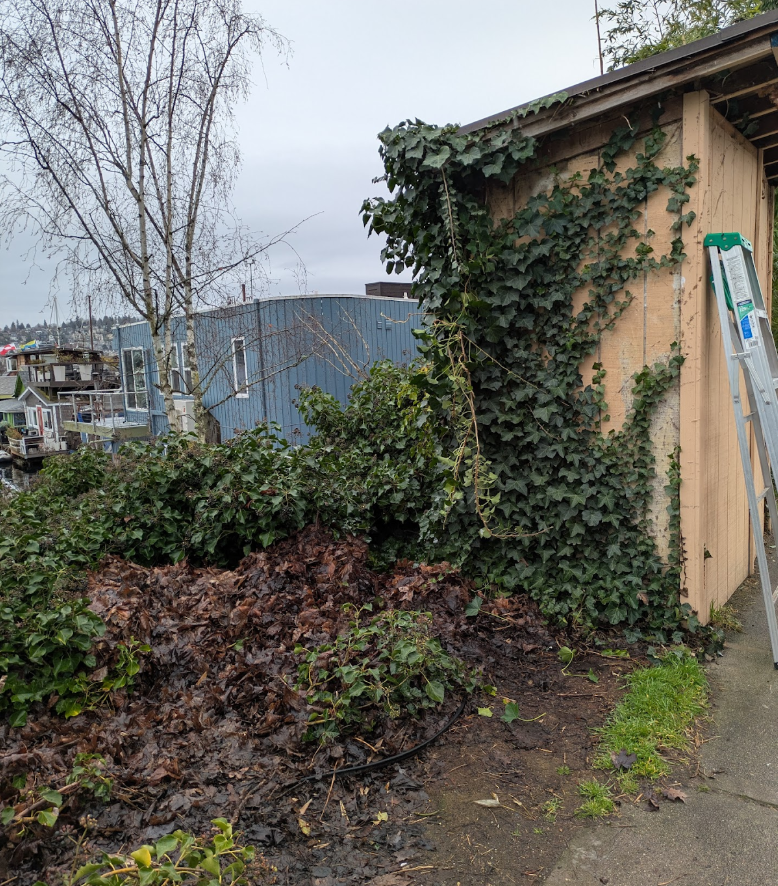
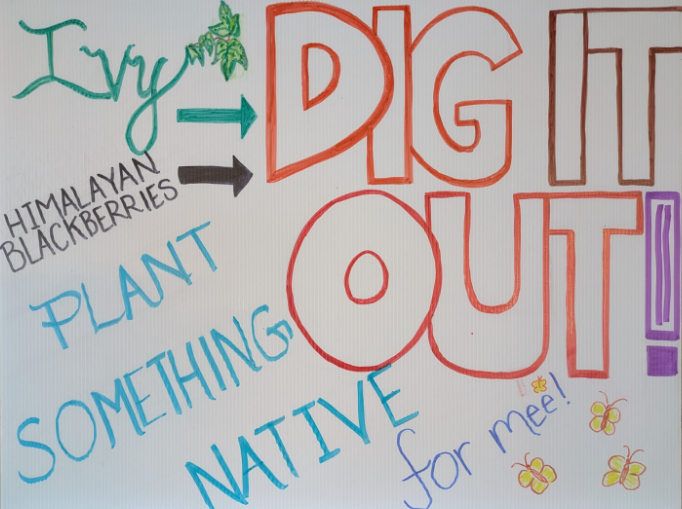
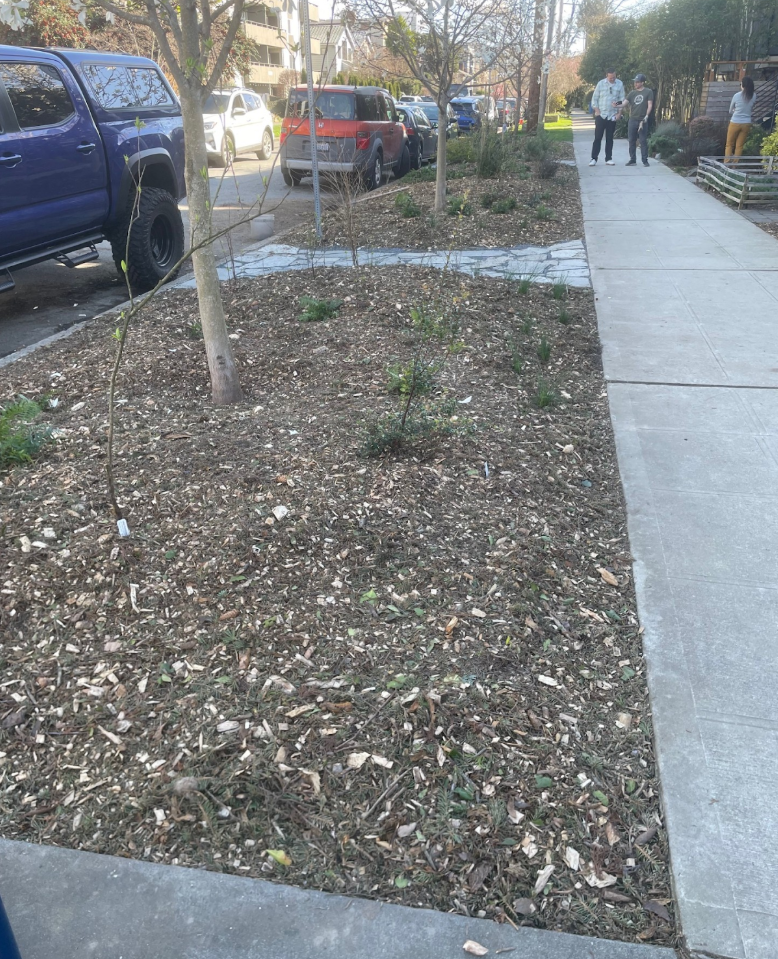
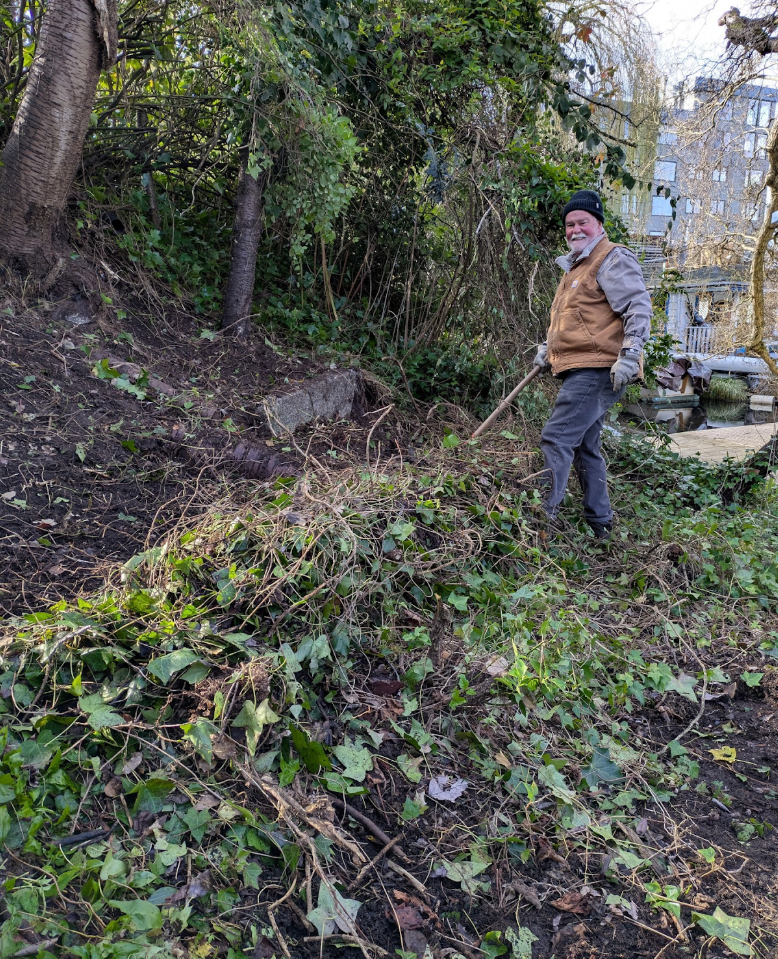
There are several fabulous groups creating pollinator friendly gardens on this side of the lake and you can often find them supporting each other’s projects. Here is a recent parking strip make-over led by Rewild Eastlake and the Eastlake Community Counsel at 2255 Minor Ave E. Volunteers from PPNW Seattle were there to support them as well as many neighbors. This garden will soon be on the Pollinator Pathway map and will be a teaching tool for years to come in a heavily walked and biked city neighborhood. As you can see in the other photo, it will take a bit longer to get to this point at Seattle Floating Home Association’s office on Fairview Ave E. First, it’s all hands on deck to clear the invasive English Ivy and Himalayan Blackberries!