
Create a Pollinator Garden
One of the keys to pollinator health is creating gardens with an abundance and diversity of plants for foraging and nesting. Follow these guidelines to create a pollinator friendly environment in your yard and become part of the pollinator pathway.
Think holistically
Planting a pollinator garden goes beyond just putting in plants that will attract pollinators. It’s important to create a habitat where they can thrive. Make sure they have places to nest and plan for soil, sun and water needs (keep reading).
Choose your location
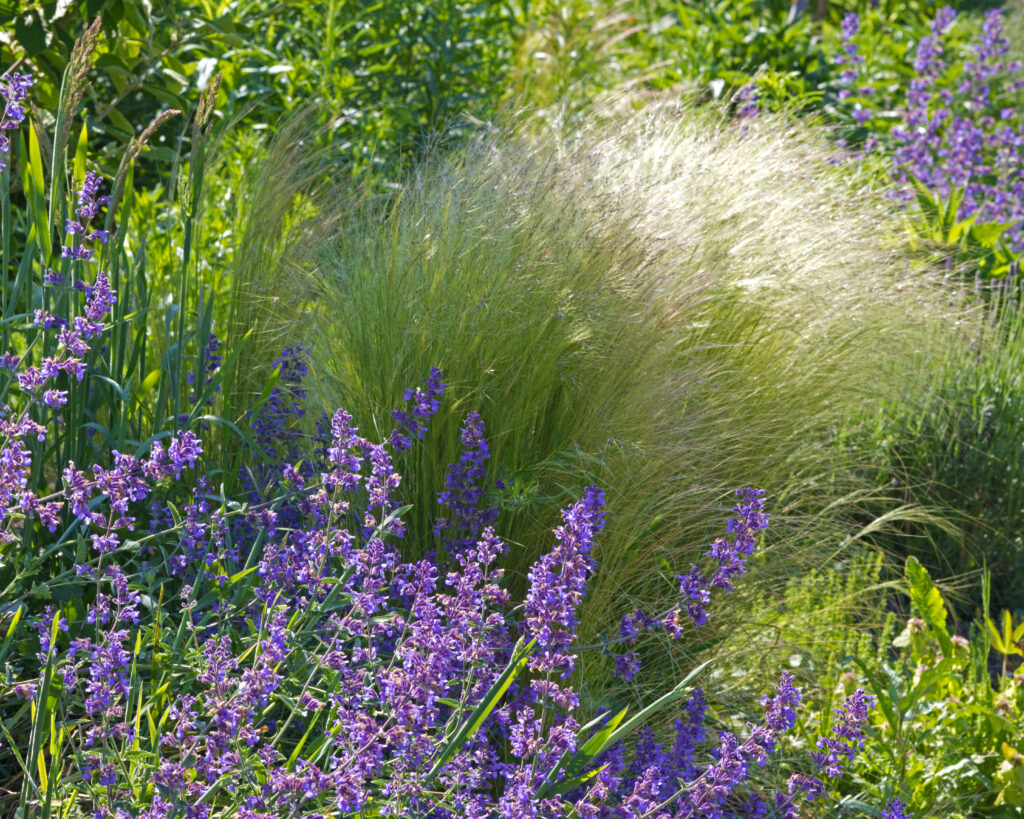
The location of your garden will determine what kind of plants you can include. Most native plants (and most pollinators!) like to bask in the sun.
Decide how large you want your garden to be. Be realistic about how big a project you want to take on. Choose that dirt patch you have been staring at for months, or simply choose to support pollinators by adding native plants to a garden you already have. It’s OK to start small.
Prepare your future garden
Preparing your garden starts about six months before you actually plant. Start in the spring to plant in the fall or start in the fall for spring planting.
Check your soil quality
Is the ground hard packed, rocky or soft? Take a long screw driver and try to drive it eight inches into the soil. How hard is it to do that? The roots of your plants will have to push through that same soil.
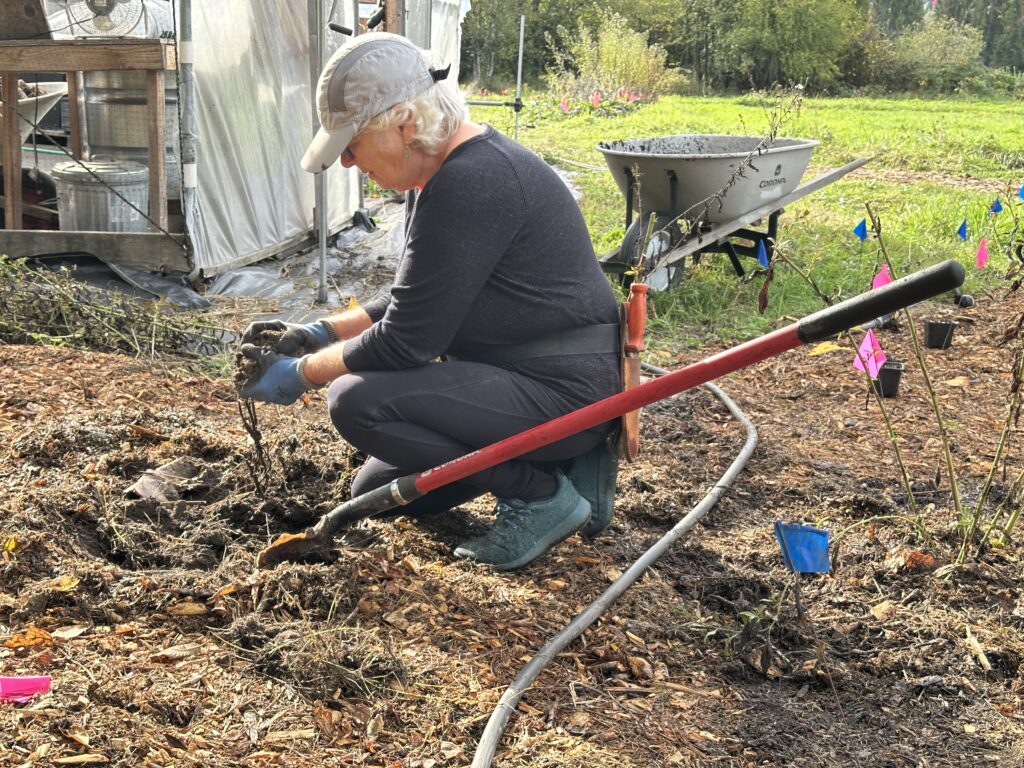
Now it’s time to get your hands dirty. Pull or mow down any grass or weeds. To prevent weeds and grass from coming back, cover with cardboard or several layers of newspaper.
Create healthy soil by covering the cardboard or newspaper with four inches of mulch or wood chips. These break down over time, providing important nutrients to your soil. This layer also helps hold moisture in the soil so the area will require less watering.
At this point, you can give yourself and your garden a break. The cardboard and mulch need time to break down. In six months you will have richer soil that is ready to be planted.
More about soil
Soil is a living thing. It provides nutrients and water for plants, and a nesting place for bees. Soil has a rich ecosystem that stores carbon. When soil is tilled or plowed, carbon is released into the atmosphere, contributing to global warming. Planting the soil helps store the carbon.
You can enrich your soil by adding organic matter in the form of compost. Compost is made up of matter that was once alive (leaves, vegetable scraps, garden trimmings). As compost breaks down, it adds nutrients to the soil and aerates it, allowing plants to get the oxygen they need to thrive.
Provide a safe nesting habitat
Pollinators need safe places to rest, lay eggs and overwinter. For many insect pollinators this means exposed, undisturbed dirt. Up to 70% of native bees nest in the ground.
Let leaves and grass clippings remain on the ground as a mulch. Leave plants with hollow stems (raspberries, blackberries, elderberries, hydrangeas) when they die for the season so their stems can provide nests for cavity-nesting bees.
Provide water sources for birds and bees. Install a birdbath and create shallow water sources for bees (they cannot swim).
Avoid pesticides
Pesticides are poisons. They get into the soil and water supply, endangering both pollinators and humans. Instead of dangerous pesticides, use compost and mulch to enrich soil and choose native plants that thrive in your environment. It is entirely possible to grow a healthy garden without pesticides. Be aware that nurseries are often a source of plants and soil that contain neonics and other pesticides. Seek out nurseries that provide pesticide free products and educate yourself on the risks of pesticides in your garden.
Not all pests are bad; avoiding pesticides allows the good bugs to thrive and eat the bad ones. Who are they?
Add native plants to your garden
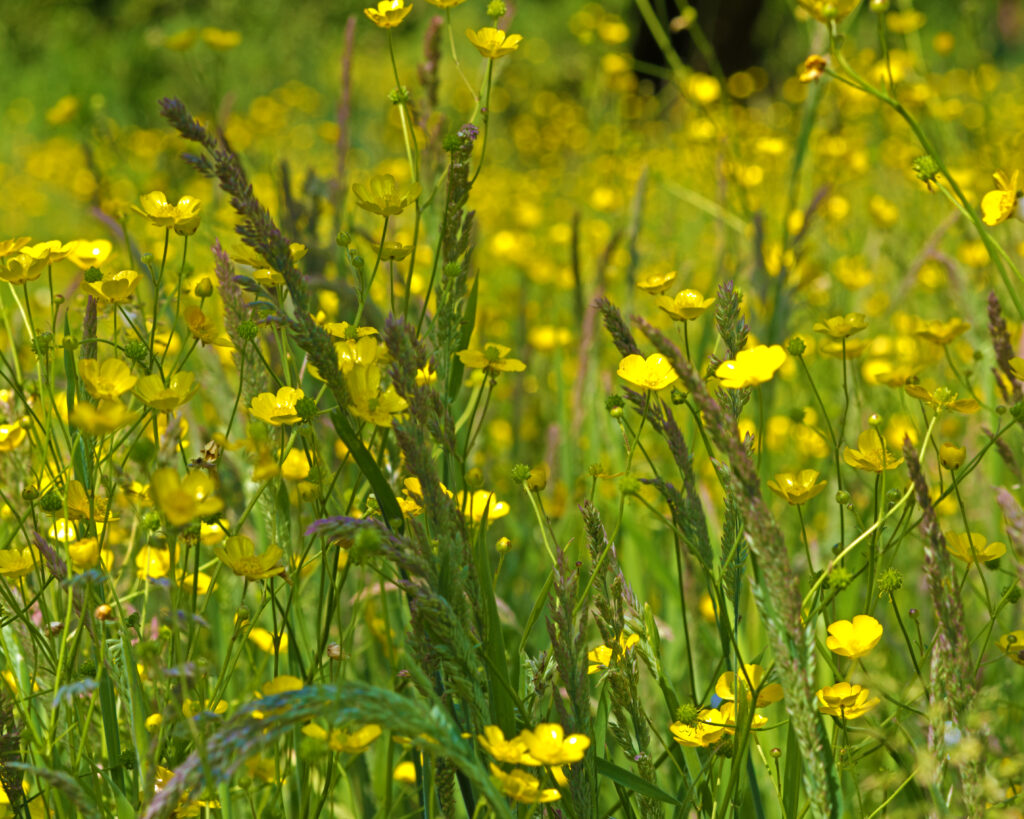
Native plants grow in harmony with their local environment and create a habitat for native pollinators. Native plants require less water, less fertilizer, can prevent water run-off and improve air quality.
But native plants often get a bad rap. They aren’t always pretty when you buy them and some of the names are not appealing. Often they are hard to find, but the search is worth it because many native plants create beautiful blooms over time, and your pollinators will thank you.
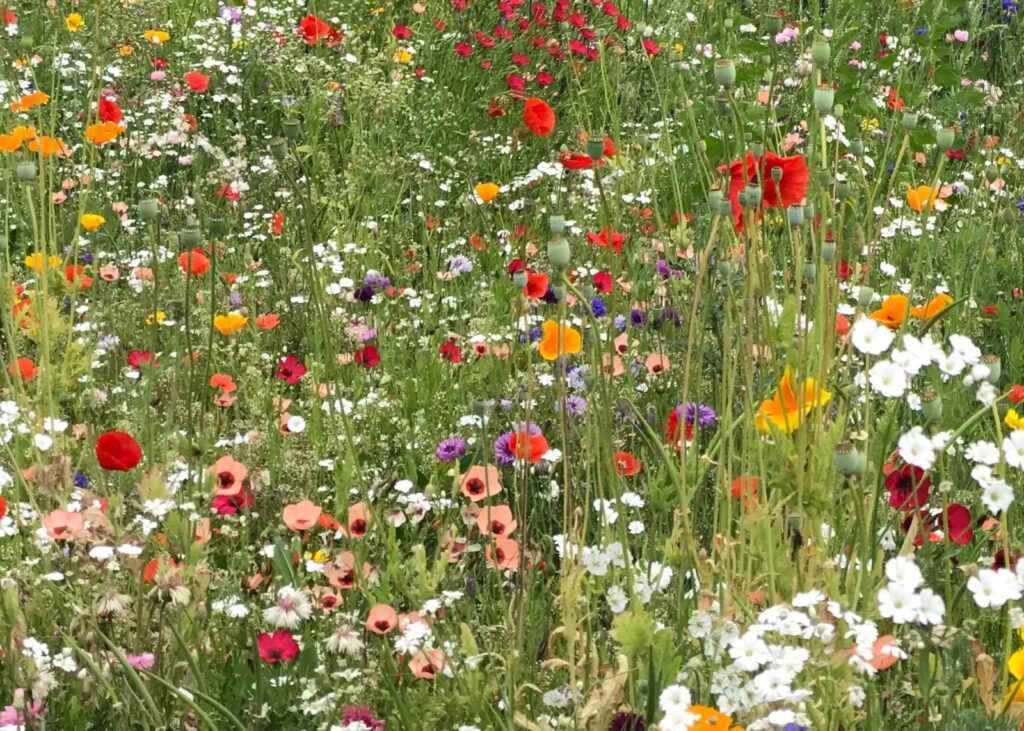
Don’t just look for the showiest plant (which was probably grown in a greenhouse under stress to get it to bloom quickly so it will sell), but look for plants that will become beautiful over time. Just as your soil needs time to become rich in nutrients, your native plants need time to settle into your garden and bloom at just the right time to be food for native pollinators.
Explore our Resources page to find out about native plants and where to buy them. Also read Why Native Plants Matter.
Provide blooms all summer long
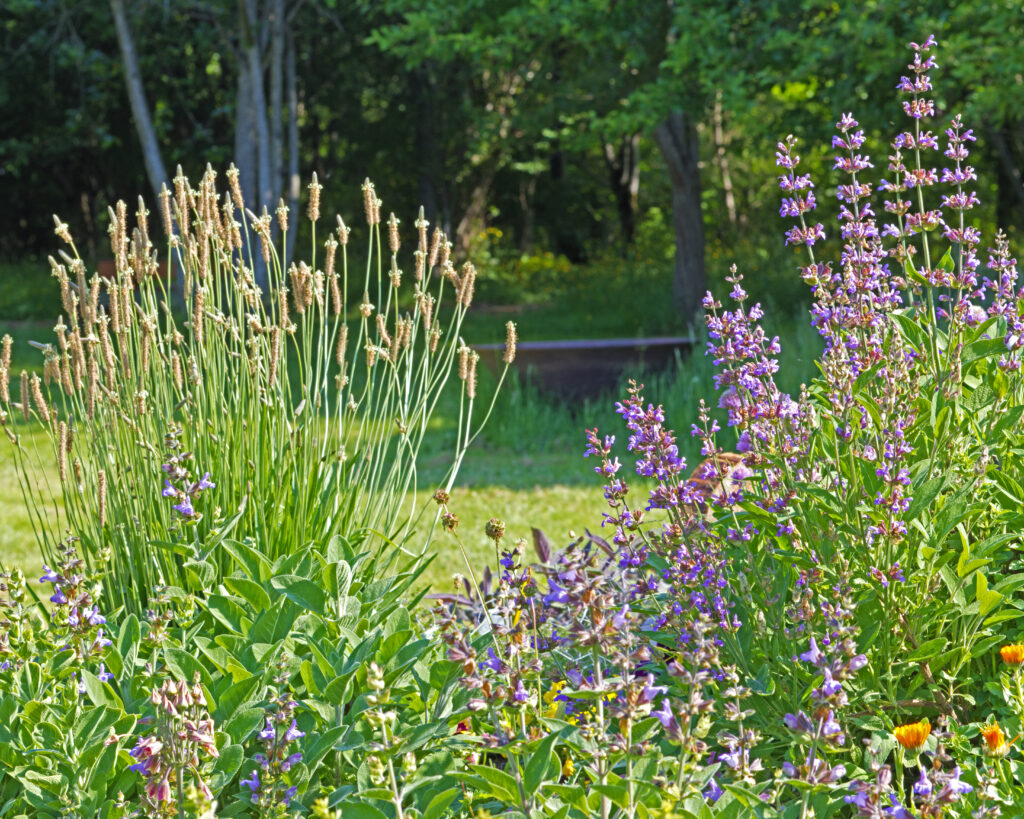
Plant flowers that will bloom at different times from early spring to late fall so pollinators have a continuous food supply.
Rethink your lawn
Lawns are not viable habitat for pollinators. The pesticides used to keep lawns looking lush get into streams and wetlands. Lawns also require an enormous amount of water.
Take steps to convert your lawn (or at least some of it) into a garden, meadow or rockery. How to do this. Also, read why we shouldn’t have lawns.
Plant an herb or container garden
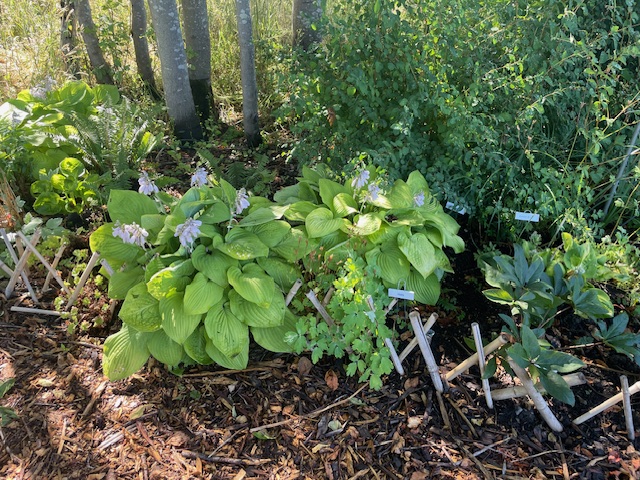
Pollinator gardens do not have to be large acreage; container plants, small herb gardens and backyard patches are all effective parts of a pollinator pathway.
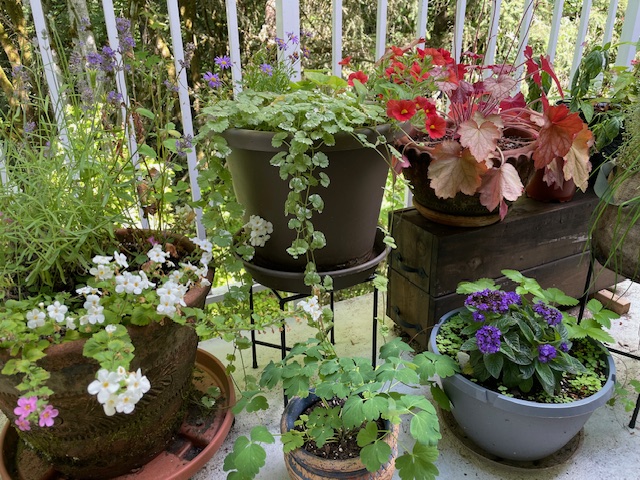
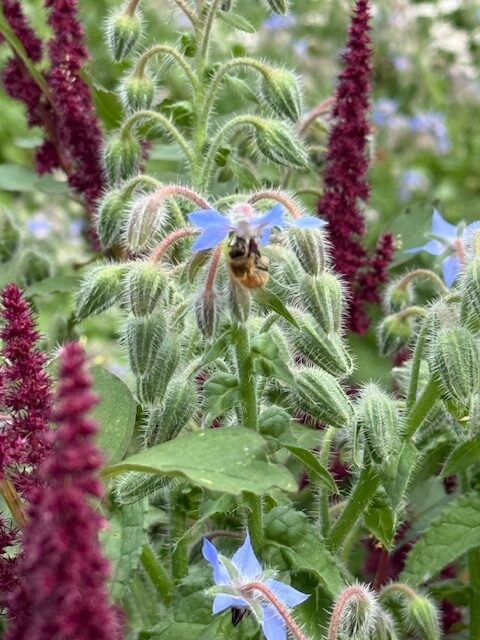
If you are limited for space, a container garden of flowers or herbs is a great way to be part of the pollinator pathway. Bees love the tiny flowers of most herbs and you will love the fresh spices for your kitchen. Some Northwest native herbs include lavender, chives, borage, oregano, thyme, basil, bee balm and rosemary. Learn how to plant a container garden.
If you are limited for space, a container garden of flowers or herbs is a great way to be part of the pollinator pathway. Bees love the tiny flowers of most herbs and you will love the fresh spices for your kitchen. Some Northwest native herbs include lavender, chives, borage, oregano, thyme, basil, bee balm and rosemary. Learn how to plant a container garden.
Embrace weeds
You may not like them, but weeds are important pollinators. They also help prevent erosion and are beneficial to the microorganisms in soil. Some are even pretty. Leave the clover in your yard (especially in your lawn) and let fireweed grow freely. Why you should love weeds.
Resources
Check out our Garden Inspiration page
Let Your Garden Grow Wild – a wonderful TED talk by Ecological Horticulturist, Rebecca McMackin, on gardening practices that don’t harm the environment.
Gardening with Friends – read about one gardener’s approach to helping others create their pollinator garden.